
A field-tested look at boil times, packability, and whether the hype around Jetboil’s flagship system actually holds up.
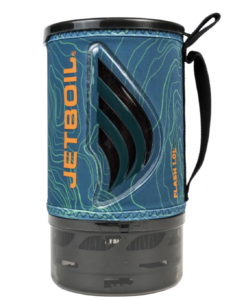
There’s a very specific kind of misery that comes from standing over a wobbly camp stove at 6 a.m., half-asleep, watching a pot of water take what feels like an eternity to even think about boiling. I’ve been there more mornings than I’d like to admit. So when I finally caved and picked up the Jetboil Flash 1.0L, I wasn’t expecting it to change my whole morning routine at camp. It did.
Quick Take
The Flash 1.0L is built around one core promise — boil water fast — and it genuinely delivers. Half a liter in about two minutes is no joke, and once you’ve used a system like this, going back to a regular backpacking stove feels like a step backward. It’s not the lightest or cheapest option out there, but for how much time and fuel it saves you, it’s earned a permanent spot in my pack.
First Impressions
The first time I clicked the igniter and watched the flame catch instantly — no lighter, no fumbling with matches in the wind — I got it. That turn-and-click ignition feels exactly like the stove in your kitchen, which sounds like a small thing until you’re doing it with cold hands at a windy campsite. Everything nests together into the cook pot for storage, so unpacking it in the morning is just: pull it out, twist it together, click, done. No hunting for pieces, no separate fuel stand to dig for.
Boil Time & Everyday Use
This is the whole reason people buy a Jetboil, and it’s the part that actually lives up to the marketing. I’ve timed it myself more than once out of curiosity — half a liter reliably boils in around two minutes, which means my coffee is happening while I’m still getting my boots on, not fifteen minutes later while I stand around waiting. The insulating cozy around the pot keeps things hot longer too, so you’re not racing the clock once it’s ready.
The heat indicator on the cozy — the little panel that changes color when your water’s at a boil — sounds like a gimmick until you’re trying to tell from three feet away whether it’s ready without opening the lid and losing steam every time. It’s a small feature that ends up mattering a lot in daily use.
Packability & Fuel Efficiency
Everything genuinely does pack down into the pot itself — burner, fuel stabilizer, the works — so there’s no separate stuff sack to keep track of or lose in your pack. It’s a tidy little package that takes up less room than I expected going in.
The FluxRing heat exchanger on the bottom of the pot is doing more work than it gets credit for. It’s the reason this thing boils as fast as it does while sipping fuel compared to a standard open-flame setup — I’ve gotten noticeably more boils out of a single canister than I used to with a basic stove, which matters if you’re out for multiple days and don’t want to carry extra fuel just in case.
Where It Falls Short
It’s not perfect. This is a boiling system first and a cooking system a distant second — if you’re planning to actually simmer or sauté anything, this isn’t the tool, and you’ll want a pot support accessory if you go that route. It’s also a one-person-to-two-person setup realistically; if you’re cooking for a group, you’ll be running multiple boils back to back. And at this price point, you’re paying a premium for convenience — there are cheaper stoves out there if all you need is something that eventually gets water hot.
Pros and Cons
Pros
- Boils half a liter in about two minutes, consistently
- Turn-and-click ignition works every time, even in wind
- Everything nests into the pot — no separate stuff sack needed
- Fuel-efficient FluxRing design stretches a single canister further
- Color-change heat indicator takes the guesswork out of “is it ready yet”
Cons
- Premium price for what is fundamentally a boil-only system
- Not built for real cooking — simmering or sautéing needs extra accessories
- Best suited for 1–2 people, not group meals
- Fuel canisters are another thing to keep stocked and pack out
Who Should Buy This
If your camp routine revolves around coffee, instant meals, or freeze-dried dinners, this is close to the ideal tool — fast, efficient, and dead simple to use. Backpackers who count every ounce and every minute of fuel burn will especially appreciate what the FluxRing design does for efficiency.
Who might want to look elsewhere: If you’re regularly cooking real meals at camp — anything that needs a pan, a simmer, or feeds more than two people — you’ll outgrow this fast and should look at a system built around actual cooking, not just boiling.
Final Verdict
I went into this expecting a marginal upgrade over my old stove. What I got was a genuinely different morning routine — coffee in hand before I’m even fully dressed, instead of standing around waiting on water. It’s not cheap, and it’s not trying to be your whole camp kitchen, but for what it’s built to do, it does it about as well as anything on the market right now.
Frequently Asked Questions
How fast does the Jetboil Flash actually boil water? In real use, about two minutes for half a liter, though wind, altitude, and temperature will nudge that number around.
Can I cook actual meals with it, or just boil water? It’s built primarily for boiling — rehydrating meals, coffee, tea. For real cooking (simmering, sautéing), you’ll want the Pot Support accessory and separate cookware.
How many people can it realistically serve? It’s sized for one to two people. For a bigger group, plan on running it through a few back-to-back boils.
What fuel does it use, and how efficient is it? It runs on Jetboil’s JetPower canisters, and the FluxRing design means you’ll get noticeably more boils per canister than with a standard stove setup.
Is it worth the price over a basic backpacking stove? If speed and fuel efficiency matter to your trips, yes — you’re paying for convenience and performance, not just a way to eventually get water hot.